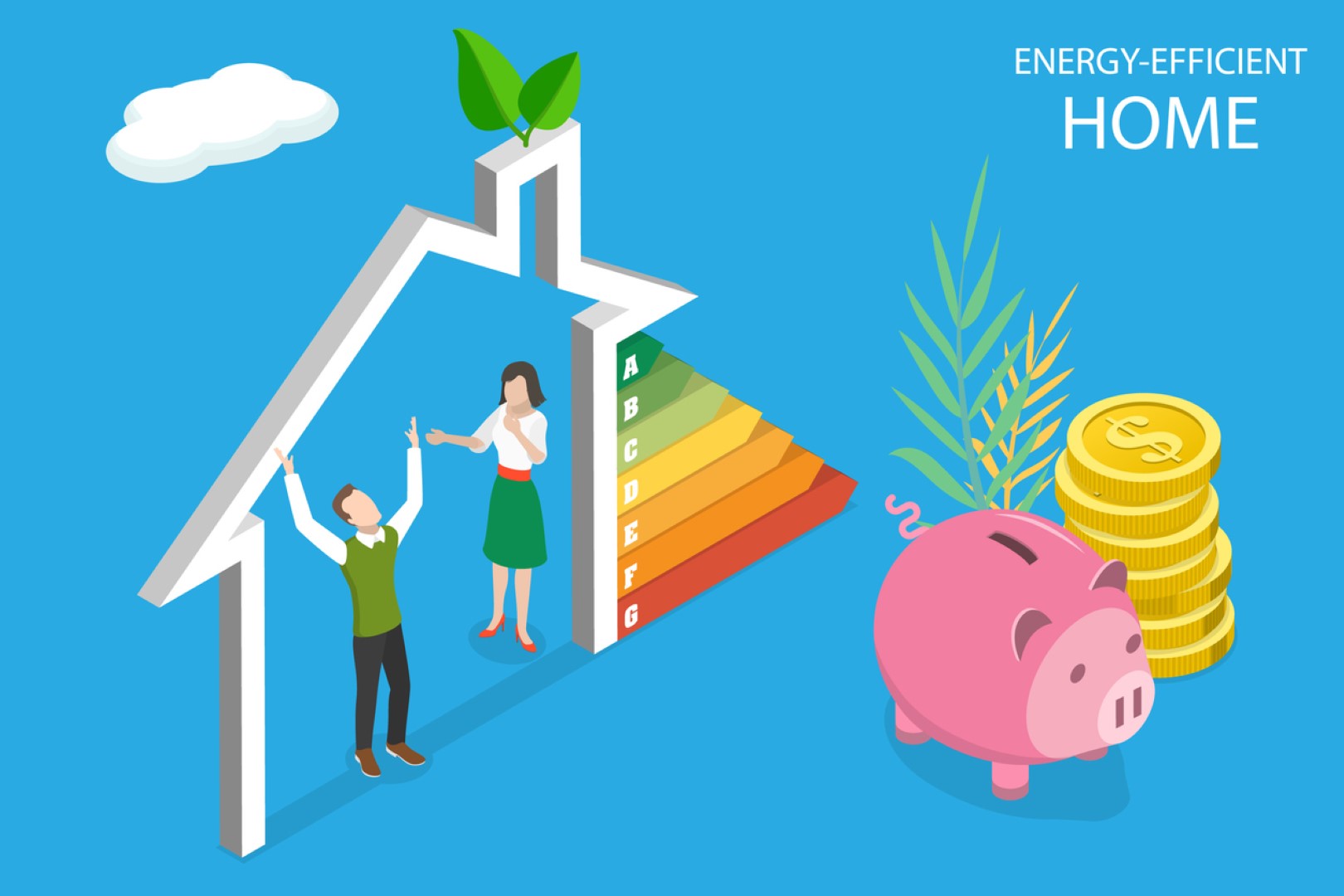
External Wall Insulation (EWI)
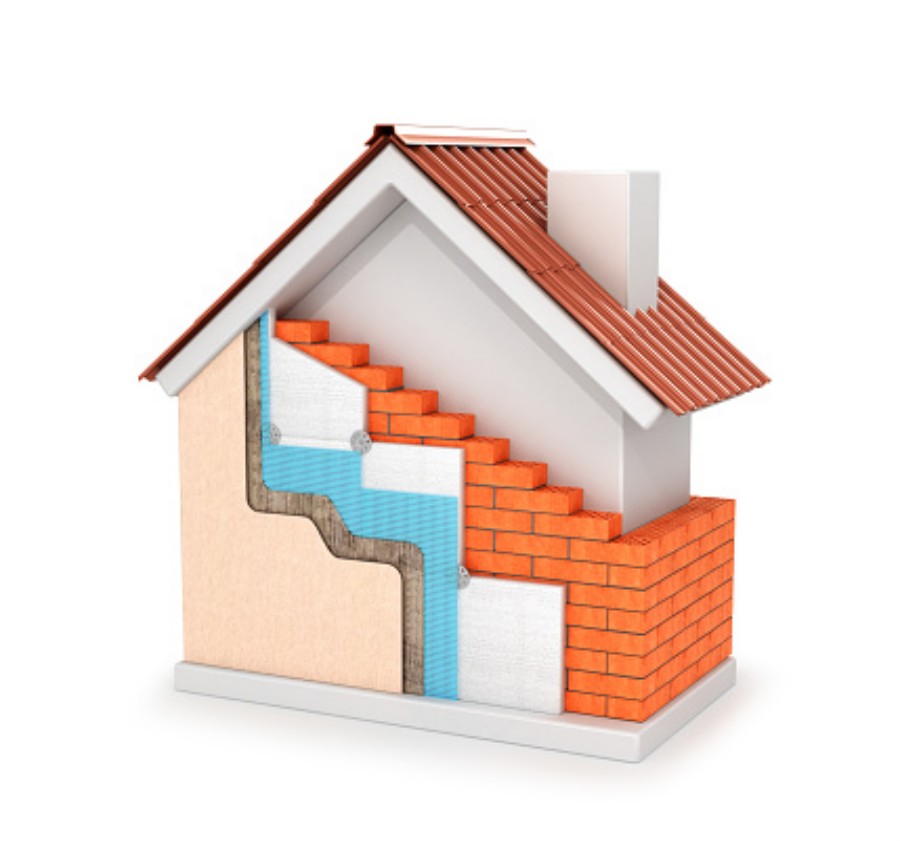
External Wall Insulation (EWI)
Your exterior walls are a leading source of heat loss. Approximately 35% of energy loss occurs from walls alone. Some of the benefits of installing External wall insulation are:
- Improved Thermal Comfort
- Cooler Summers, Warmer Winters
- Reduced Energy Bills by up to 35%
- Increasing EPC rating
- Add Value to your Property by up to 10%
- Improved External Aesthetics
- Reduced Carbon Footprint
- Increased Lifespan of Building Fabric
- Acoustic Insulation and Fire Resistance
- Prevent Thermal Bridging
- Reduced Damp and Condensation
FAQ's
External wall insulation, often abbreviated as EWI, is a method of insulating the outer walls of a building to improve energy efficiency. It involves adding insulation materials and a protective finish to the exterior walls, reducing heat loss and enhancing thermal comfort.
EWI offers several advantages, including:
- Improved energy efficiency, leading to reduced heating costs.
- Enhanced thermal comfort and a more consistent indoor temperature.
- Reduced condensation and dampness issues.
- Increased property value and aesthetic improvement.
EWI is suitable for most buildings, including houses, apartments, commercial buildings, and historic structures. It can be adapted to various architectural styles.
Common materials include insulation boards (e.g., expanded polystyrene or mineral wool), adhesive, mechanical fixings, and a weather-resistant render or cladding finish.
The installation duration can vary based on factors such as the size of the building, weather conditions, and the project’s complexity. Typically, it takes several days, including preparation and finishing.
In many cases, EWI projects do not require planning permission. However, it’s advisable to check with local authorities or a building professional to confirm if any permits or approvals are necessary for your specific project.
EWI can improve the appearance of a building. You can choose from various finishes and colours to achieve the desired look. Many property owners find that EWI enhances curb appeal.
External wall insulation systems are relatively low-maintenance. Periodic checks for damage and cleaning may be required. The render or cladding finish may need refreshing over time.
Yes, EWI can be beneficial for older buildings. It can help improve energy efficiency and address issues like dampness. However, the installation process should be carefully planned to preserve the building’s historic character.
EWI can have some acoustic benefits, especially when combined with appropriate insulation materials. While it won’t eliminate all external noise, it can help create a quieter indoor environment.